The team arrived at 2:45 a.m., tired but safe. They settled into the villa in the quiet hours before dawn while I tried, mostly unsuccessfully, to sleep. By 8:55 a.m., I was up, dressed, and sitting on the stone wall outside, waiting to be picked up to try again with the supplies.
At exactly 9:00 a.m., a car pulled up and Devotha climbed out, running toward me with open arms like we were long-lost friends. Eugene was driving. The team was still asleep as I left, but the city was very much awake. The drive to the airport that morning was much busier than the slow Sunday traffic of my arrival. Kigali had shifted into weekday mode.
After we passed through security and parked, Devotha and I made our way to Passport Control. I was so grateful she was with me. We stood there for forty-five minutes or more while my passport was checked four separate times. A photo was taken. Eventually, I was issued a badge that allowed me to walk back into the airport and toward Customs.
The conversation with the customs agent did not go the way I had hoped. The more we talked, the more convinced I became that some of those supplies were not leaving the airport with us that day. Three hours after we arrived, we walked out of the airport with those supplies that were in the checked suitcases that they did allow us to take. The electronic supplies stayed behind. Yet, the team carried with them enough to make our promises whole.
There are days when the work looks like teaching, or listening, or sitting cross-legged on a classroom floor. And there are days when the work looks like forms, regulations, and the slow, discouraging realization that something you thought would be simple is not simple at all.Today was both.
Drums, Dancing, and Open Hands
From the airport, I headed to meet up with the team for pizza before we drove together to the Africa Transformation Network (ATN) campus. The drive to ATN is about thirty minutes — enough time to shift gears from airport negotiations to what waited for us on the ground.
When we arrived, we climbed out of the vans and headed upstairs. The ATN educators and staff were there to greet us. We went around the room, each person introducing themselves. Then Mapendo smiled and told us that some of the students had prepared a performance.
The drums started.
At the doorway, younger students crowded in to watch the dancing — and to watch us. Curious, delighted, wide-eyed.
You can spend three hours at an airport feeling like nothing is moving, and thirty minutes on a campus remembering that what matters most cannot be measured in approvals or signatures."
Campus Tour
After the performance, we toured the campus. We walked through classrooms where teachers greeted us and students looked up from their desks. The P1 class sang us a song they had prepared, their voices rising together in a way that made it hard to remember I had started the day standing in a customs office.
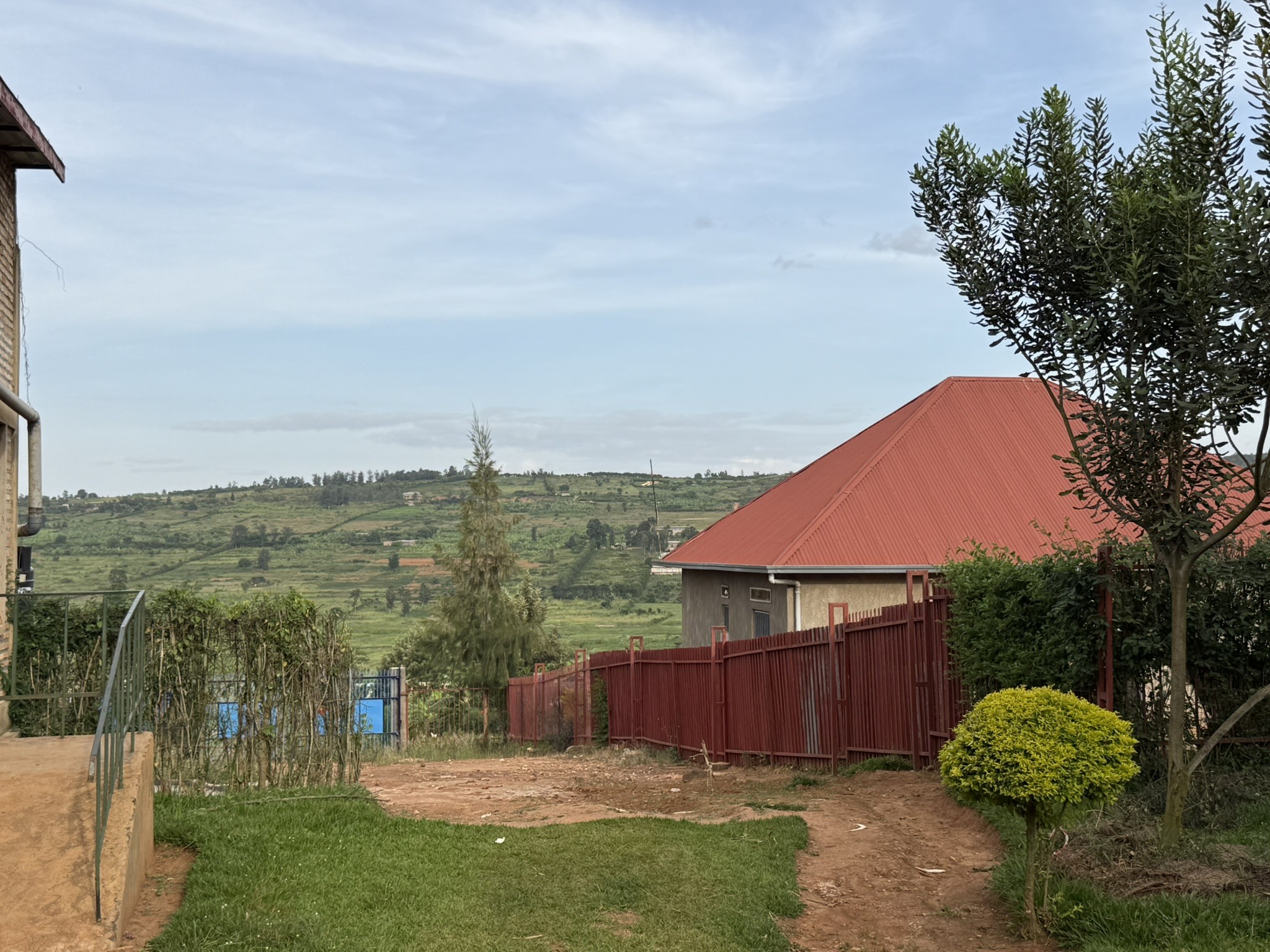
We visited the farmland where they practice “Farming God’s Way,” learning methods that yield larger and more bountiful crops. We walked through the welding shop, where young men who have lost so many opportunities are learning a skill that can open doors again.
Then we began a prayer walk across the campus back toward our vehicles. As we walked, some of the students joined us. They reached for our hands. They gave high fives freely. They ran toward us and wrapped us in hugs without hesitation.
That’s the thing about this work that I can’t fully explain to people back home. These children have lived through things I will never fully understand. And yet they run. They reach. They want connection with the same desperate urgency that every child wants it — because that urgency is biological. It’s neurological. It doesn’t go away just because it’s been hurt.
The urgency to connect doesn’t disappear when it’s been hurt. It just goes underground — and waits for someone to be safe enough to run toward.